Homes here do not get dirty at a steady rate. They get dirty in four distinct ways, on a fairly reliable schedule, and each one wants a different response. Cleaning the same way year-round means you are always slightly out of step with what the house is actually dealing with.
Spring: mud, and the grit hiding in it
Break-up season is the messiest stretch of the year, and the problem is not really the mud — it is what is suspended in it. Winter road sanding leaves fine gravel everywhere, and that grit rides in on boots.
Grit is abrasive. Walked across a hardwood or vinyl floor often enough, it behaves like very slow sandpaper, dulling the finish in traffic paths. This is the season where entry matters more than anything else: a real boot tray, a mat long enough to take several steps, and floors cleaned often enough that grit does not sit and get walked in.
If you only book one deep clean a year, the end of break-up is arguably the best moment for it — you are clearing out an entire winter at once.
Summer: fine dust and open windows
Dry months bring a fine, pale dust that gets in through every open window and settles evenly on everything. It is less damaging than spring grit but far more visible, particularly on dark surfaces and in low afternoon light.
Two things help disproportionately:
- Dust top-down, floors last. Anything you knock off a shelf lands on the floor, so cleaning floors first guarantees doing them twice.
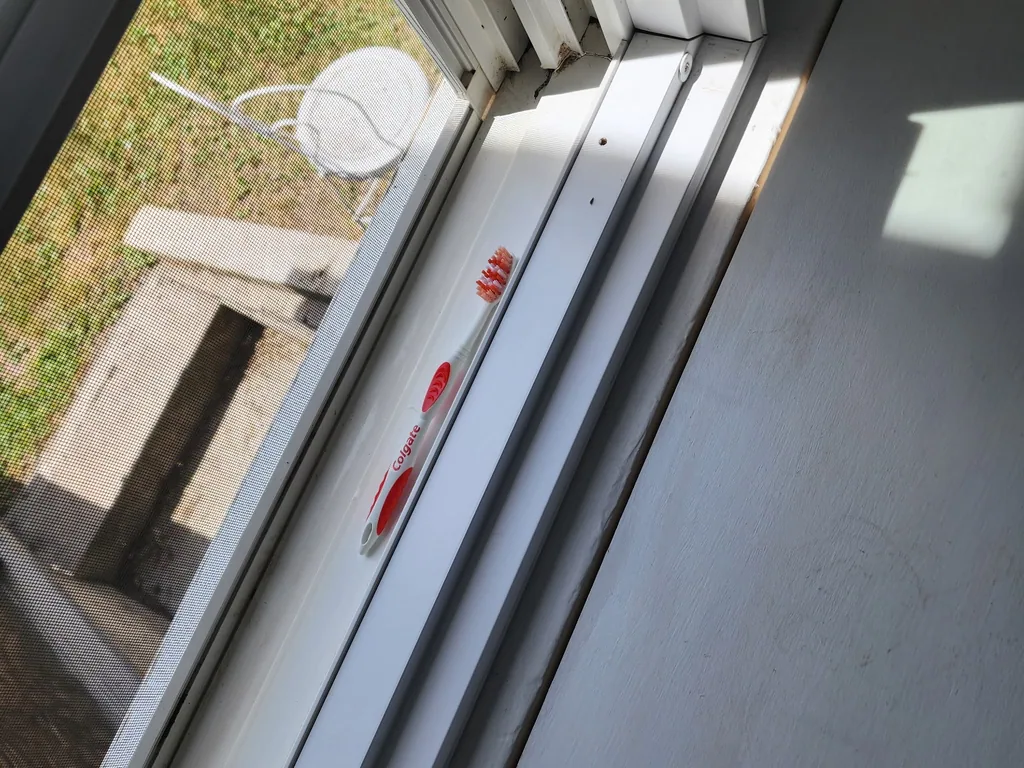
- Do not forget window tracks. They collect the summer’s dust and pollen, then turn it into packed grime once autumn damp arrives. More on that in our window cleaning guide.
Late summer and autumn: ash
In smoke years, fine ash gets into the house whether or not you open a window. It is worth treating differently from ordinary dust for one reason: it is slightly alkaline and abrasive, so dry-wiping it can scratch glass and polished surfaces. Damp cloths, changed often, are the right tool.
Ash is also fine enough to get into fabric. Soft furnishings, curtains, and bedding are usually the reason a house still smells faintly of smoke after every hard surface has been cleaned.
Winter: salt, damp, and everything shut
Winter is the quiet one, and that is exactly the problem. The house is sealed for months, so nothing airs out. What actually accumulates:
- Salt and de-icer residue by the doors, which leaves white marks and is hard on floor finishes
- Condensation around window frames, which is where you get the black build-up in tracks
- Everything else, concentrated — cooking residue, dust, and pet dander with nowhere to go
Winter is when recurring cleaning earns its keep most, because there is no open window doing half the work for you.
Adjusting the rhythm
The practical version of all this:
- Spring — deepest clean of the year; focus on floors and entries
- Summer — lighter, more frequent dusting; windows and tracks
- Autumn — damp-clean ash off hard surfaces; refresh soft goods
- Winter — steady recurring upkeep; do not let it coast
Most households we work with in and around Livingston land on biweekly home cleaning as the baseline, with a deeper reset once or twice a year at the season changes. That is a rhythm that matches what the valley actually throws at a house.
Not sure what your place needs right now? Call or text Shannon at (406) 920-9875, or request a quote and we will work it out around the season you are in.